

As the year comes to a close, many organizations focus on outcomes: results delivered, targets met, numbers achieved. Yet the most valuable insights at year end rarely sit in dashboards alone. They emerge at the intersection of leadership behaviors, cultural signals, and performance outcomes.
Year-end reflection is not about reviewing what worked or failed in isolation. It is about understanding how leadership decisions shaped culture—and how culture, in turn, influenced performance throughout the year. When leadership, culture, and performance are reviewed together at year end, organizations gain a clearer picture of their true operating model. This perspective enables more intentional decisions, stronger alignment, and a smoother transition into the year ahead.
Leadership Sets the Tone—Every Day
Leadership impact is rarely defined by major decisions alone. It is shaped by everyday behaviors: how priorities are communicated, how feedback is handled, how pressure is managed, and how consistency is maintained over time. When leadership signals clarity, trust, and accountability, culture stabilizes. When signals are mixed or reactive, uncertainty spreads quickly.
By year end, teams don’t remember initiatives as much as they remember how leadership made them feel while executing them.
Culture Is the Operating System
Culture is not separate from performance—it is the operating system behind it. It determines whether people speak up, collaborate, take ownership, or disengage quietly. Strong cultures don’t eliminate challenges; they shape how organizations respond to them.
Organizations that treat culture as a long-term asset—rather than a year-end talking point—enter the new year with resilience, not just ambition.
Performance Is the Outcome, Not the Starting Point
Performance metrics show what happened. Culture and leadership explain why it happened. Without aligning these three elements, year-end reviews risk becoming backward-looking exercises instead of forward-looking strategy tools.
The most effective organizations use year-end insights to ask deeper questions:
•Which leadership behaviors consistently supported performance?
•Where did cultural friction slow execution?
•What signals did employees receive—intentionally or not?
What Year-End Data Tells Us—and What It Doesn’t
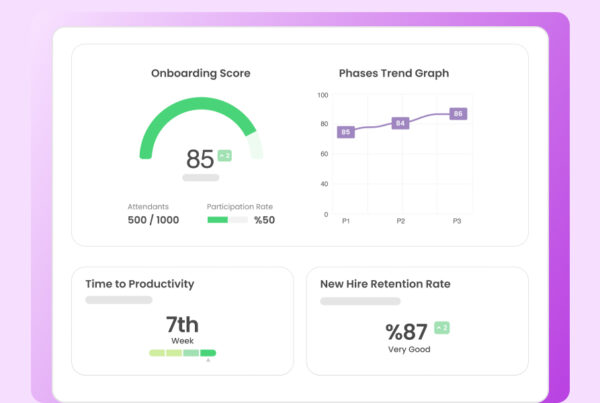
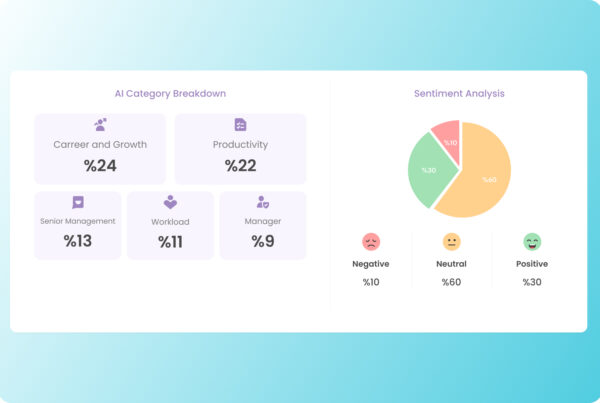
Year-end data acts as a powerful mirror for organizations, but it never tells the full story on its own. Engagement scores, survey results, and performance indicators offer important signals, yet their real value lies in how they are interpreted within a leadership and cultural context.
Two teams may show similar performance outcomes, while one feels energized and the other exhausted. The difference rarely sits in the numbers—it sits in experience. Were expectations clear? Did employees feel safe to speak up? Were decisions transparent?
Year End Is the Right Moment for Intervention
While year end is often seen as a planning phase, it is equally a moment for meaningful intervention. Small but deliberate changes in leadership behavior can have outsized impact going into the new year. This is when it becomes clear which habits should be reinforced—and which should be left behind.
Entering a new year strong is not about launching more initiatives. It is about approaching leadership, culture, and performance as a single system. Sustainable success emerges only when these three move together.
Ultimately, year-end reflection creates the space to turn insight into intention. Organizations that pause to listen, reflect, and recalibrate before moving forward enter the new year with clarity. Not rushed. Not reactive. But grounded in a shared understanding of what truly drives performance.


 Linkedin


